 Fostering Cooperative Resilience during the COVID-19 Pandemic
This study examines the resilience of coffee cooperatives and producer organizations in the context of the COVID-19 pandemic, exploring their adaptations in relation to their livelihood capitals.
 From Tactical to Strategic Thinking
This training workshop is designed to provide Cooperatives (board and staff) with guidance on where to begin, how to get started, and ultimately to develop a Strategic Plan.
 Guide to Building Condition Assessments and Reserve Fund Studies
A BCA (including an RFS) gives you important information about your co-op and the money needed to keep it in good condition now and in the future.
 guide to investment policy for housing co-operatives
Co-ops should put the money they have to work. This means investing in assets that increase in value or produce income over time.
 Housing-Provider-Kit-Financial-Management-Guide
When a reserve is not fully funded, the amount of cash in the reserve account is less than the amount that should have accumulated through annual provision transfers and interest earned,...
 Impact of Tax Reform on Agricultural Cooperatives
Cooperative directors and managers can respond to changes in the tax code in unique ways. Under Subchapter T of the Internal Revenue Code, cooperatives can deduct certain distributions of profits...
 Implementing the Strategic Plan (Bob Harris Article)
Planning a retreat is an important activity for every organization. During the retreat, enthusiasm builds for new programs and growth schemes.
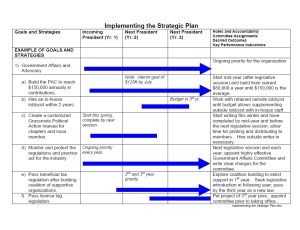 Implementing the Strategic Plan (Planning Chart)
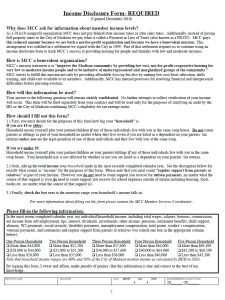 Income Disclosure Form Required
 Income Tax Treatment of Cooperative Patronage Refunds
The patronage refund is a key concept that distinguishes cooperatives from other forms of business. It is the vehicle by which cooperatives return earnings to users based on the amount...
 Income Tax Treatment of Cooperatives
The U.S. Department of Agriculture (USDA) prohibits discrimination against its customers, employees, and applicants for employment on the bases of race, color, national origin, age, disability, sex, gender identity, religion,...
 Income Tax Treatment of Cooperatives – Handling of Losses
Cooperative tax rules are a logical combination of the unique attributes of a cooperative and the income tax scheme in the Internal Revenue Code.
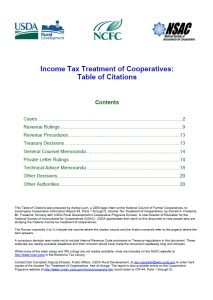 Income Tax Treatment of Cooperatives Table of Citations
 Innovation – Priorities and Practices in Cooperatives
As part of the Institute’s expertise and transfer activities, the research deals with the priorities and practices of cooperatives in the area of innovation. Based on an online Survey sent to...
 Insurance 101 Everything you need to know to make sure...
 Insurance Pitfalls
Cooperative housing, in contrast, divides insurance risks among several individuals and entities through multiple insurance policies affording fairly specific coverages.
 Introduction-to-Auditing-Exchange-Group-CPA
 Long Term Success through Strategic Planning
To enhance the inherent potential of cooperatives in supporting society’s transition towards global socio-ecological sustainability, they must plan strategically. Strategic planning with this goal in mind requires organizations to describe...
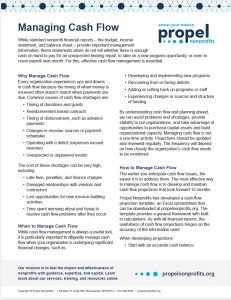 Managing Cash Flow
While standard nonprofit financial reports – the budget, income statement, and balance sheet – provide important management information, these statements alone do not indicate whether there is sufficient cash on...
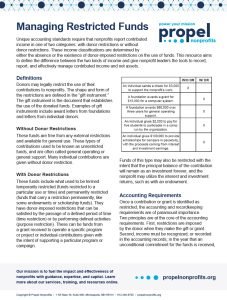 Managing Restricted Funds
Unique accounting standards require that nonprofits report contributed income in one of two categories: with donor restrictions or without donor restrictions.
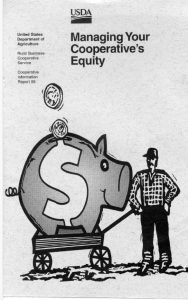 Managing Your Cooperative Equity
This report provides information on how a cooperative can manage its equity capital to achieve and maintain proportionality of investment, regardless of the type of capital plan employed. It discusses...
 Measuring Coop Financial Performance
This session concentrates on evaluating how well the coop itself is functioning. Participants will learn how to use three key indicators for measuring performance: financial status, delinquency, and occupancy.
 Monthly Management Reports to the Board
A board’s ability to make sound financial decisions is the cornerstone of any successful co-op; however, the information needed for informed decisions can only come from management.
 Monthly Report of Excess Income