
 A checklist for people with mobility problems
For the millions of Americans with mobility issues, emergencies such as fires and floods pose a particular challenge.
 A Step-by-Step Approach to Emergency Planning Response and Recovery
Every year, emergencies take a toll on businesses and industries in terms of lives and dollars. But something can be done. Businesses and industries can limit injuries and damage, and...
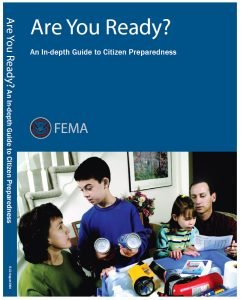 Are You Ready an in-Depth Guide to Citizen Preparedness
This guide has been prepared for direct dissemination to the general public and is based on the most reliable hazard awareness and emergency education information available at the time of...
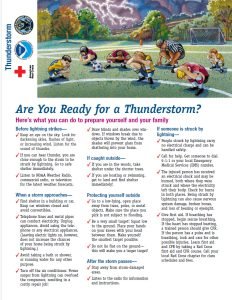 Are You Ready for a Thunderstorm
Here’s what you can do to prepare yourself and your family
 Assisting the Disabled and the Elderly
For Those with Special Needs
 Basic Preparedness
In this section of the guide, you will learn about preparedness strategies that are applicable to all disasters. You plan only once and can apply your plan to all types...
 Carbon monoxide and your HDFC
Carbon Monoxide (CO) is a highly toxic and potentially fatal gas that is odorless, colorless, and almost undetectable by humans until serious symptoms occur, and even then, it is often...
 Citizens Preparedness Guide
The Citizens’ Preparedness Guide provides suggestions for preparedness in our homes, neighborhoods, schools, workplaces, places of worship, and public areas. These recommendations stem from the attacks against our country, but...
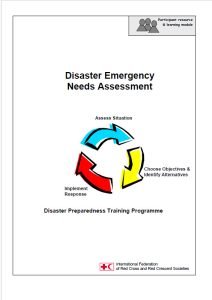 Disaster Emergency Needs Assessment
This module is one of nine modules prepared by INTERWORKS for the International Federation of Red Cross and Red Crescent Societies' Disaster Preparedness office in Geneva.
 Disaster Planning for Animals
Identify the types of disasters that are likely to occur in your area, and then develop a plan for each one. Some disasters to consider are fire, flood, earthquakes, severe...
 Disaster Preparedness for People with Disabilities
Disaster Preparedness for People with Disabilities has been designed to help individuals with physical, visual, auditory, or cognitive disabilities prepare for natural disasters and their consequences.
 Disaster Preparedness Guide for Pet Owner
We typically think of disasters as cataclysmic events such as floods, hurricanes, or earthquakes. Although we all like to think, “It will never happen to me,” disasters can strike anyone at...
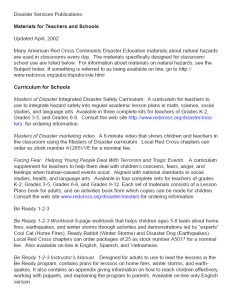 Disaster Services publications materials for teachers and schools
Many American Red Cross Community Disaster Education materials about natural hazards are used in classrooms every day.
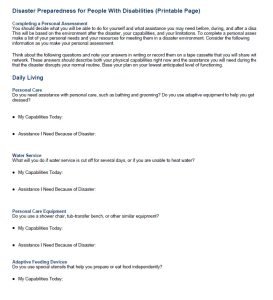 disaster-preparedness-for-people-with-disabilities-disabilities-preparedness-for-people-with-disabilities
To complete a personal assessment, create a list of your personal needs and the resources available to meet them in a disaster environment.
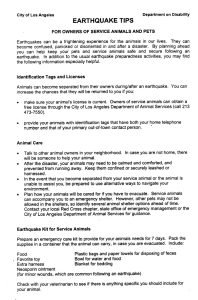 Earthquake tips for owners of service animals and pets
Earthquakes can be a frightening experience for the animals in our lives.
 Earthquake Tips for people with visual disabilities
Dealing with an earthquake can be especially challenging for individuals with visual impairments.
 Emergency Evacuation Preparedness
A Guide for People with Disabilities and Other Activity Limitations
 Emergency Plan for people with Disabilities
Some emergencies can force a person to evacuate their home; others may require the evacuation of whole neighborhoods, while still others may necessitate people staying in their homes for days.
 Emergency Plans for Mobile Home Parks
The following information is provided as a general guide to developing an emergency evacuation plan for mobile home parks in floodways. It contains guidelines and specific information that may be...
Emergency Preparedness For People With Disabilities
This booklet provides emergency preparedness tips for individuals with various disabilities.
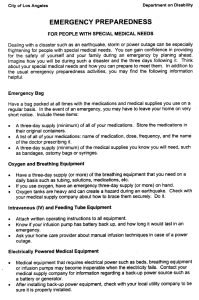 Emergency Preparedness for people with special medical needs
Dealing with a disaster, such as an earthquake, storm, or power outage, can be especially frightening for individuals with special medical needs.
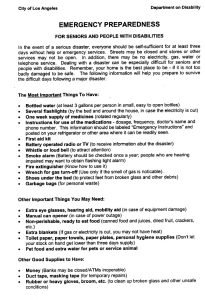 Emergency Preparedness for Seniors and people with disabilities
In the event of a serious disaster, everyone should be self-sufficient for at least three days without help or emergency services.
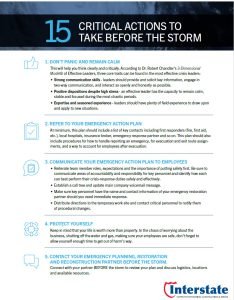 15 Critical actions to take before the storm
 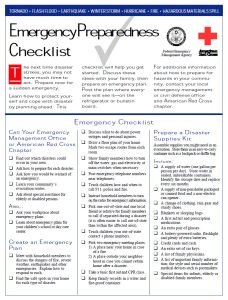 Emergency Preparedness – Checklist