Home › Resource Library › Cooperative Basics
Resource Library topic
Cooperative Basics
What a housing cooperative is, how co-ops are organized, their history and mission, affordability, and starting a new co-op.
Categories in this topic
Choose a category to see only its resources in the Resource Library.
All resources in this topic
The search below looks within this topic only. To search all 1,388 resources, use the full Resource Library. Books and journals are listed separately under Books and Journals.
Collection: Information Hub. Books, articles, guides, reports, journals, cheat sheets and sample forms collected online from other sources. They were written by other organizations and authors, not by Berendson Academy. Search Berendson Books & Training instead for materials created by Berendson Academy.
Showing 73–96 of 196 resources

The cooperative form of business is a unique model that focuses on delivering services needed by its owner-members, rather than generating profits for investor-owners.
This report comprises nine papers on cooperative theory, covering operations, market behavior, decision-making, finance, and other aspects of farmer cooperation. These papers were written as
Ninety-one-page USDA Rural Business-Cooperative Service report (Research Report 174, September 1999) by James J. Wadsworth on cooperative unification: mergers, consolidations, acquisitions and joint ventures. It
Cooperatives trace their roots to the Rochdale pioneers, who established the first modern cooperative in Rochdale, England, in 1844. These principles have been refined, adapted,
In a housing cooperative, people join to form a cooperative corporation that owns the buildings in which they live. Purchasing a share in the cooperative
The United Nations Millennium Declaration and its goals set out issues that must be addressed if we are to strengthen the foundations of a more
A consensus on goals, targets, and indicators for sustainable development must be reached by the end of 2015. The big questions revolve around the ways
A survey of Economic Development Professionals in Minnesota and Wisconsin
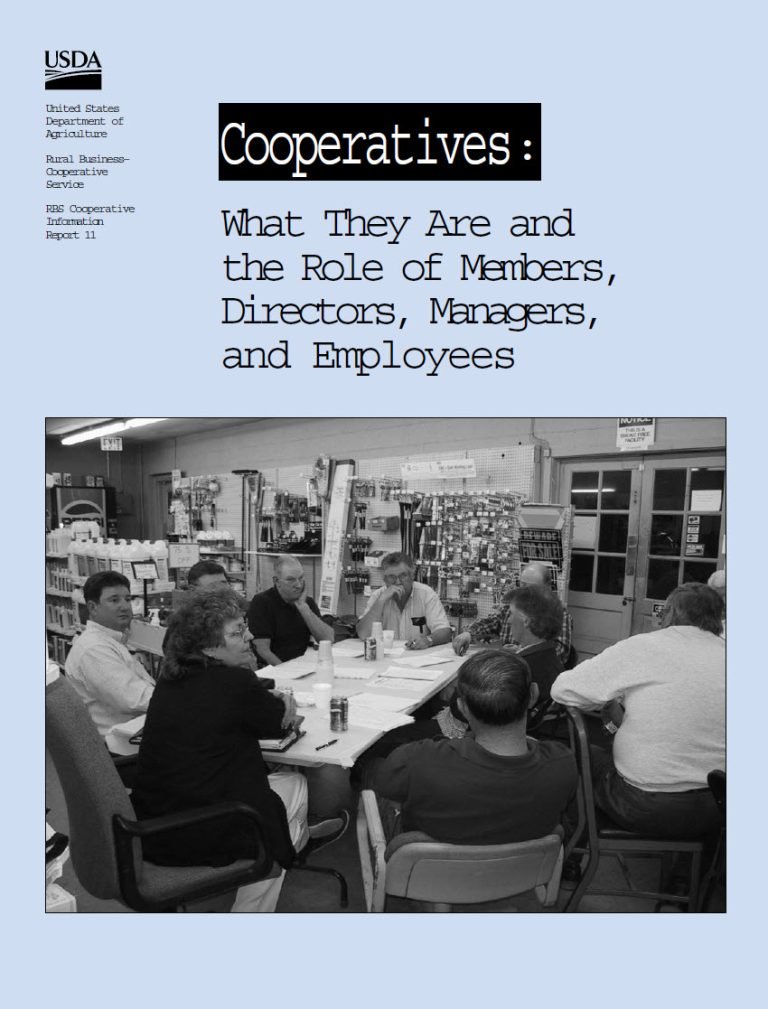
Members who use the cooperative own their co-op because they finance it in a variety of ways. They share both the business risks and the
Examples of Cooperative or collective action can be traced back to our prehistoric predecessors, who recognized the advantages of hunting, gathering, and living in groups
This is an educational guide for teaching basic information about cooperatives. It explains what cooperatives are— their business, principles, and structural characteristics, as well as
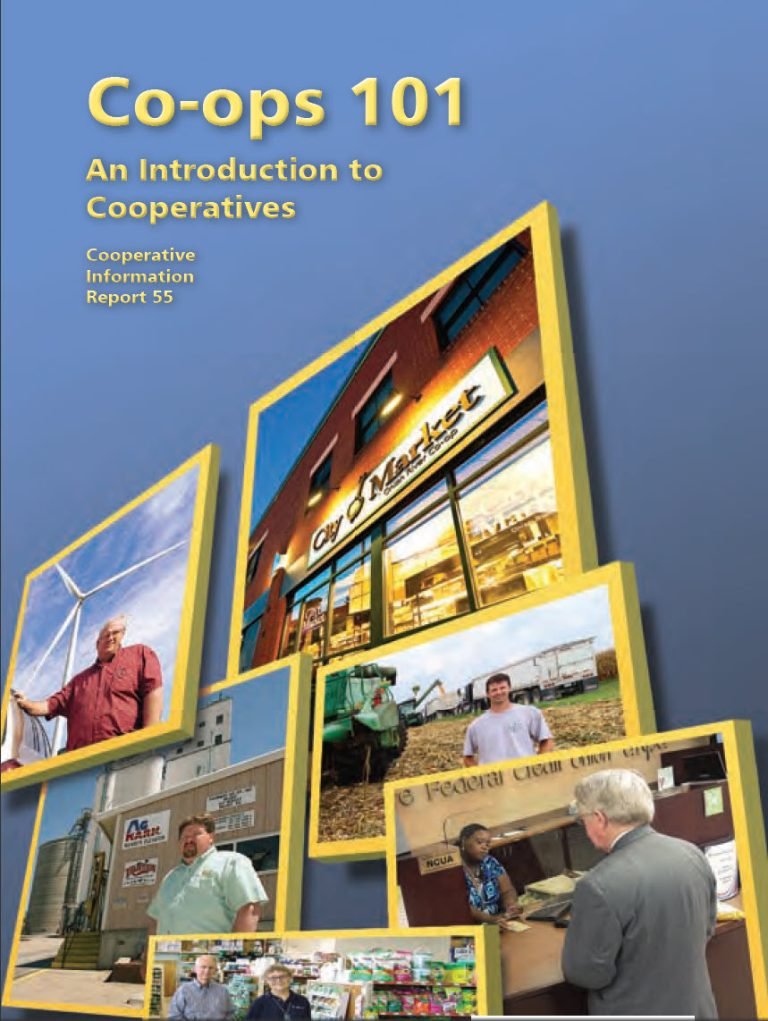
This booklet introduces you to the attributes that distinguish a cooperative from other ways to organize and conduct a business. Its purpose is to help
The Board of Directors is ultimately responsible for ensuring the credit union is operated in a safe and prudent manner and for ensuring adherence to
Thus far, we have accounted for just over 300,000 units of the 425,000 estimated to have been produced, 166,608 of which are still limited equity.
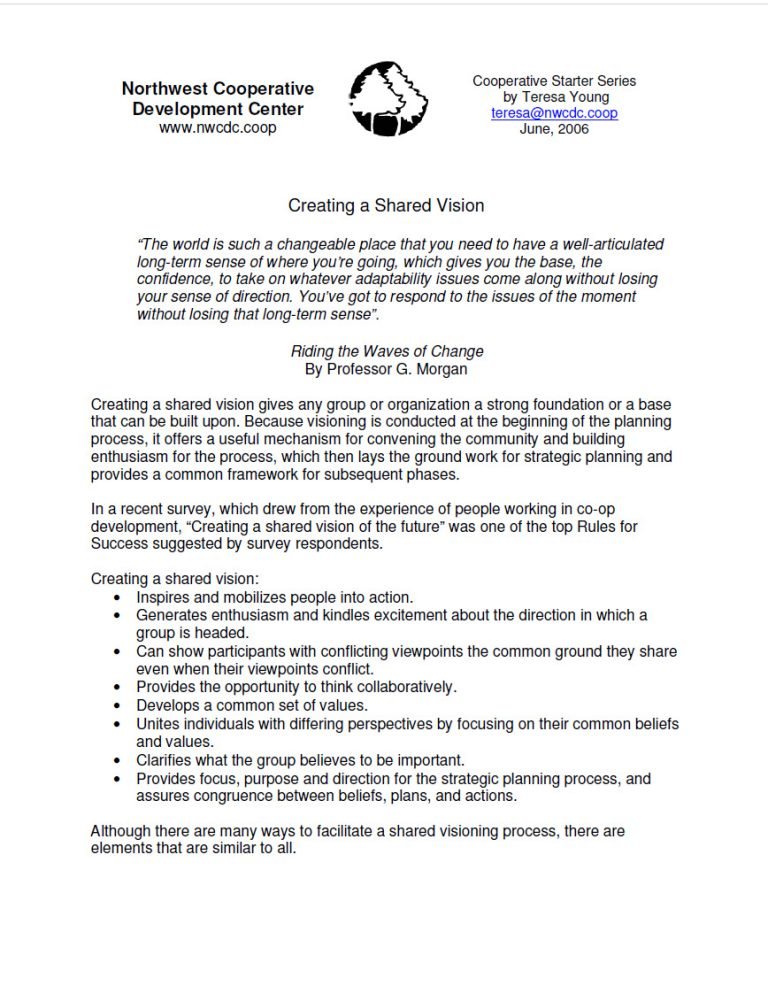
“The world is such a changeable place that you need to have a well-articulated long-term sense of where you’re going, which gives you the base,
Members of a cooperative typically have diverse economic interests. These may encompass the size, type, and location of farm enterprises, as well as the length
Nearly half of all renters can’t afford rent, and over half a million Americans are homeless on any given night. How did we get here?
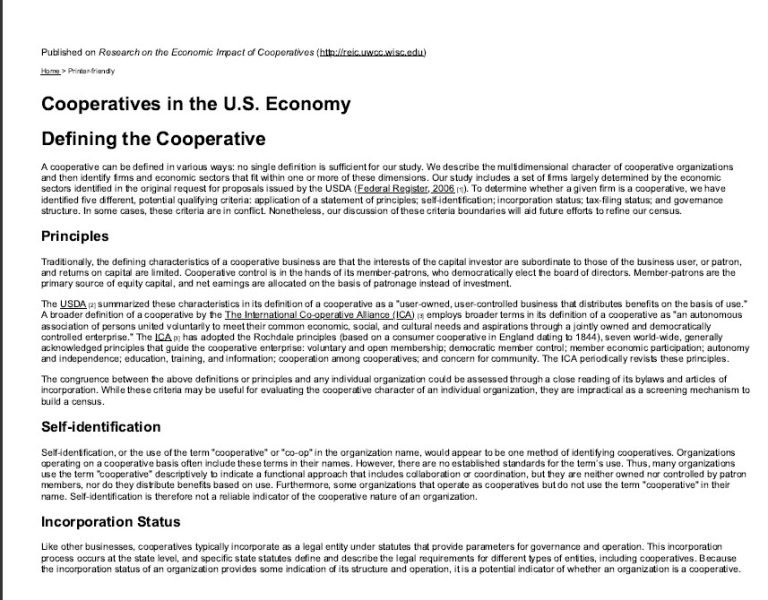
A cooperative can be defined in various ways; no single definition is sufficient for our study.
A three-page glossary of basic financial statement terms for nonprofit board members, from the Manitoba MNPHA Board Toolkit (2020). It explains assets, liabilities and net
Housing affordability is particularly critical due to the strong increase in remote working (telework) during the pandemic, which is accelerating the movement to more affordable
There will be presentations included that describe the financing process in detail, and describe the information that will be required for the application process, to
This manual is designed to help people in rural Wisconsin develop housing cooperatives composed of a small number of adjacent single-family homes specifically designed for
For more than 200 years, Americans have collaborated in business cooperatives to address critical challenges and solve problems that were too large for them to
People have always cooperated by working together in groups to meet shared goals; this has been a collective human activity since the beginning of time.