The search below looks within this topic only. To search all 1,388 resources, use the full Resource Library. Books and journals are listed separately under Books and Journals.
Collection: Information Hub. Books, articles, guides, reports, journals, cheat sheets and sample forms collected online from other sources. They were written by other organizations and authors, not by Berendson Academy. Search Berendson Books & Training instead for materials created by Berendson Academy.
The National Low-Income Housing Coalition found in 2018 that a renter working 40 hours a week and earning minimum wage can afford a typical two-bedroom
Ten-page printout of a Vox explainer by Matthew Yglesias (updated May 2015) on the U.S. affordable housing debate. It explains what affordable housing means, the
The first formal housing cooperative on record was organized in the mid-nineteenth century in Germany. By the early twentieth century, housing cooperatives had become established
The Illinois General Assembly passed the Affordable Housing Planning and Appeal Act (AHPAA) (310 ILCS 67) in 2003 to address the shortage of moderately priced
Through various initiatives under the Affordable Housing Program Framework, the Province of British Columbia and the Federal government invest in the development and acquisition of
The Affordable Rental Housing Initiative (Columbia Basin) is a partnership between BC Housing and CBT (the Partners). The purpose of the Initiative is to facilitate
Limited equity cooperatives (LECs) are evaluated within the following framework: 1) the effect of resident participation on operating costs, 2) the disutility of time and
Limited equity cooperatives (LECs) are evaluated within the following framework: the effect of resident participation on operating costs, 2) the disutility of time and effort
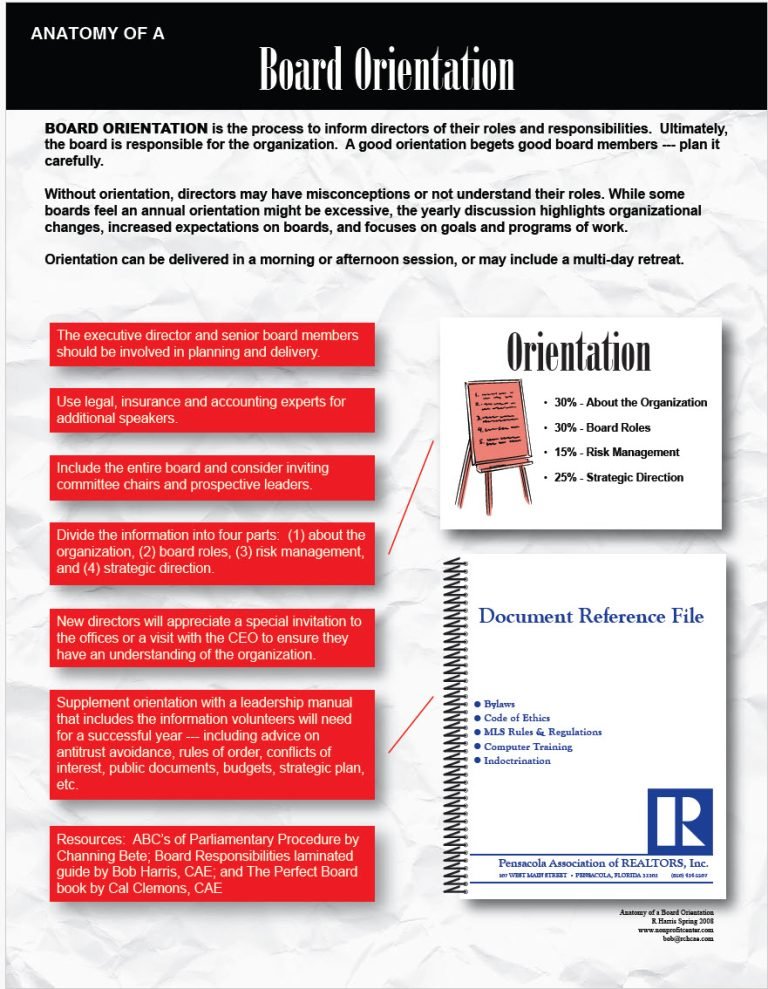
BOARD ORIENTATION is the process to inform directors of their roles and responsibilities. Ultimately, the board is responsible for the organization’s overall direction and management.
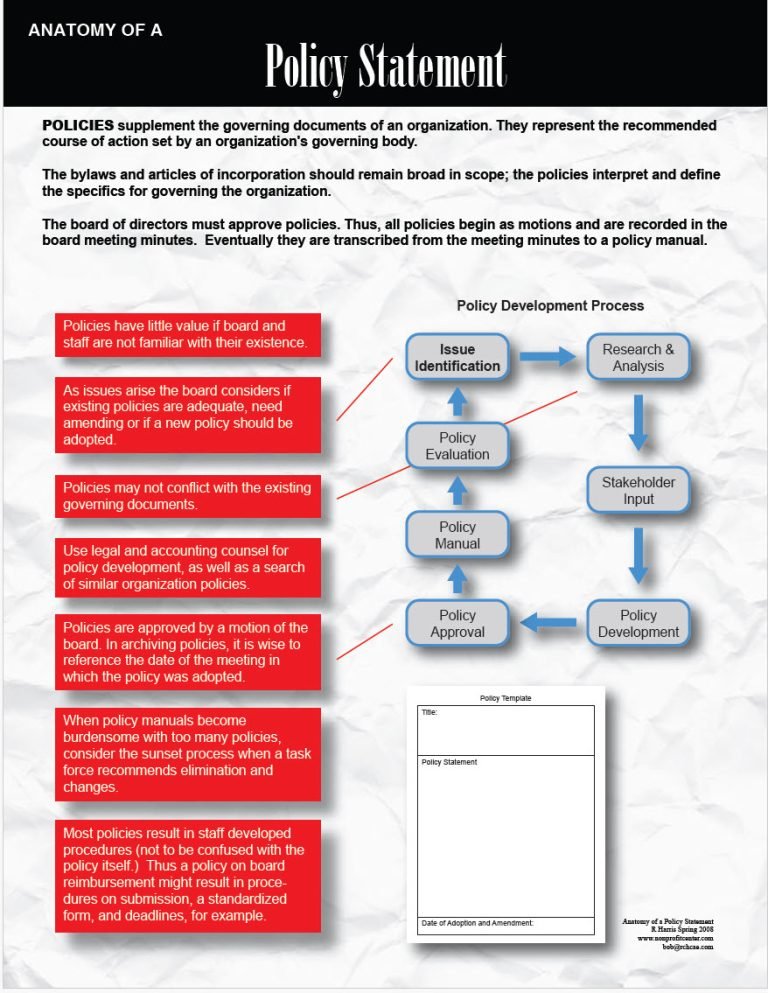
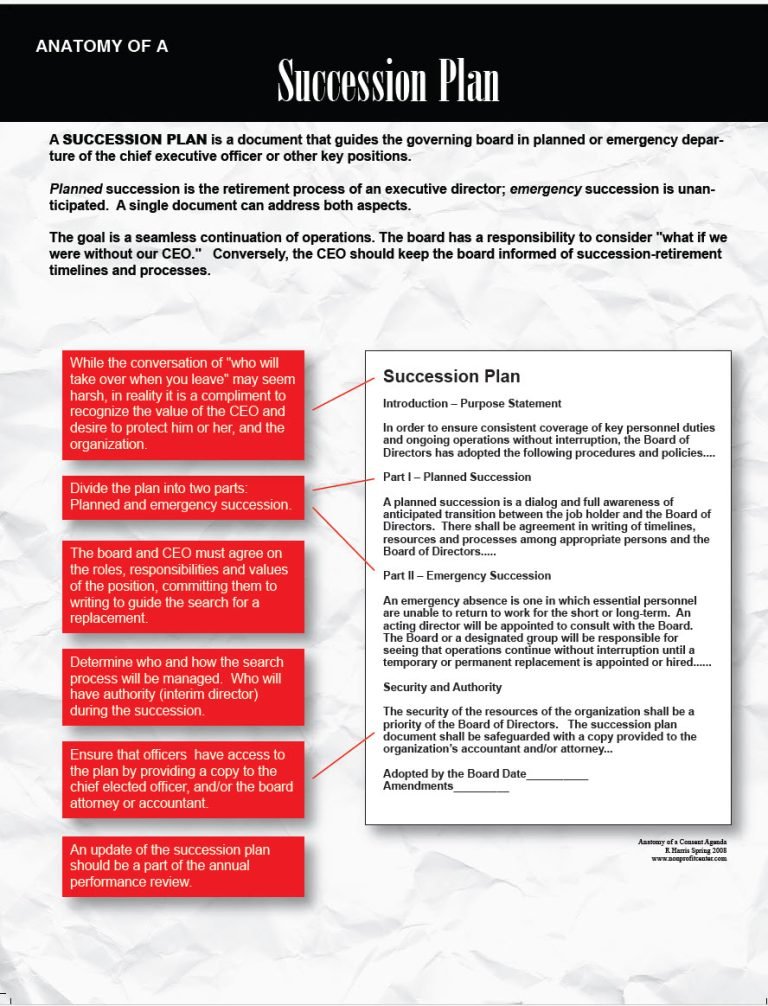
POLICIES supplement the governing documents of an organization. They represent the recommended course of action set by an organization’s governing body.
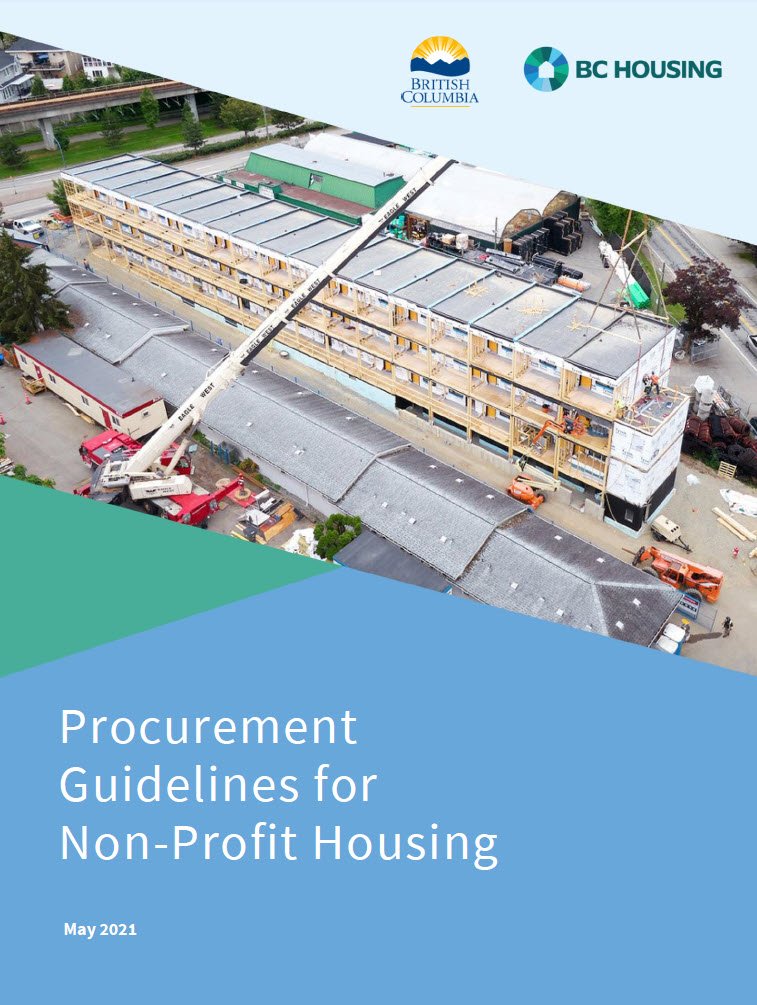
Forty-seven-page BC Housing guide, Procurement Guidelines for Non-Profit Housing (May 2021). It explains working with BC Housing, principles of fair procurement, the procurement cycle, choosing
This research documented promising practices of federally assisted housing projects that have transitioned to a post-subsidy environment and continued to provide affordable housing.
Students who face housing insecurity are less likely to engage seriously with their college experience and less likely to complete their course of study. In
The costs associated with housing represent the largest expense for households. The increasing cost of housing is requiring more people to spend an increasingly larger