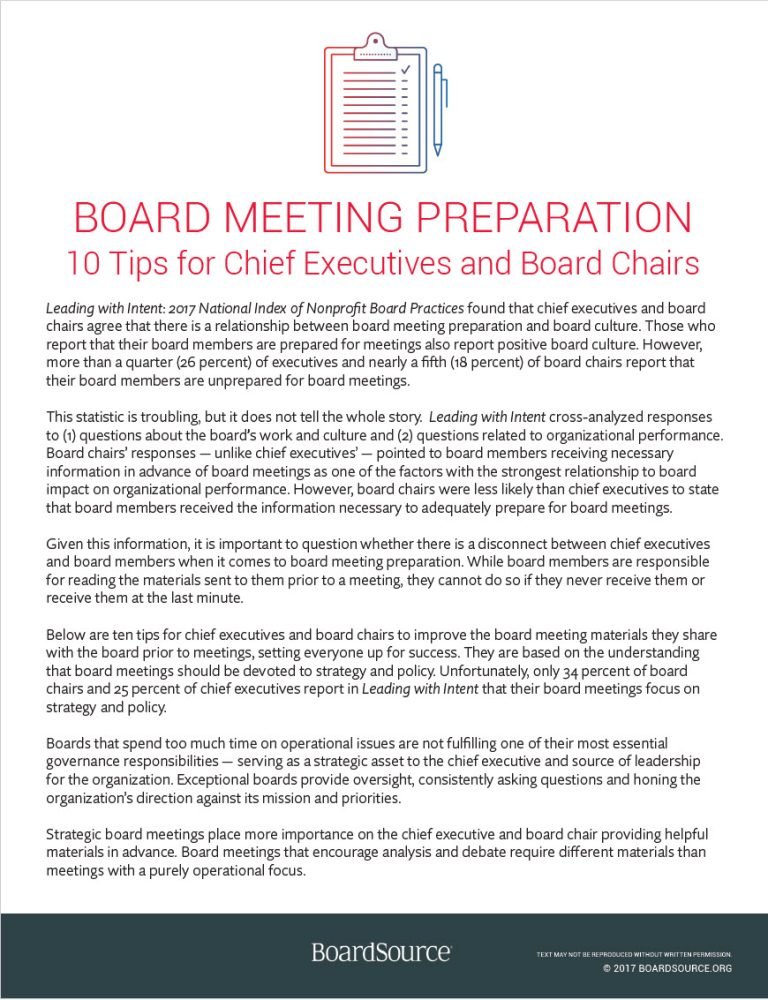
The 2017 National Index of Nonprofit Board Practices, led by Intent, found that chief executives and board chairs agree that there is a relationship between
Are nonprofit board members required to conduct themselves in any particular manner? Yes! Under well-established principles of nonprofit corporation law, a board member must meet
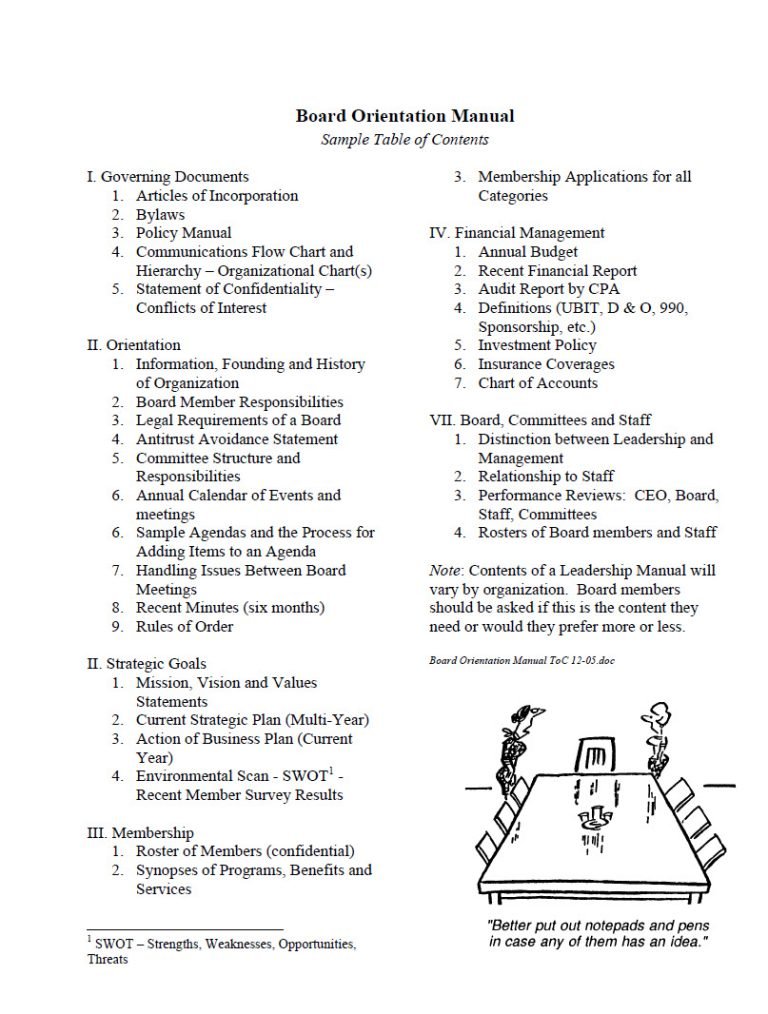
This checklist is a general outline to guide the orientation of new board members. Your organization should modify it as needed to ensure that all
The board of directors is central in a co-operative business. The directors need to be able to make informed decisions to ensure the co-op remains
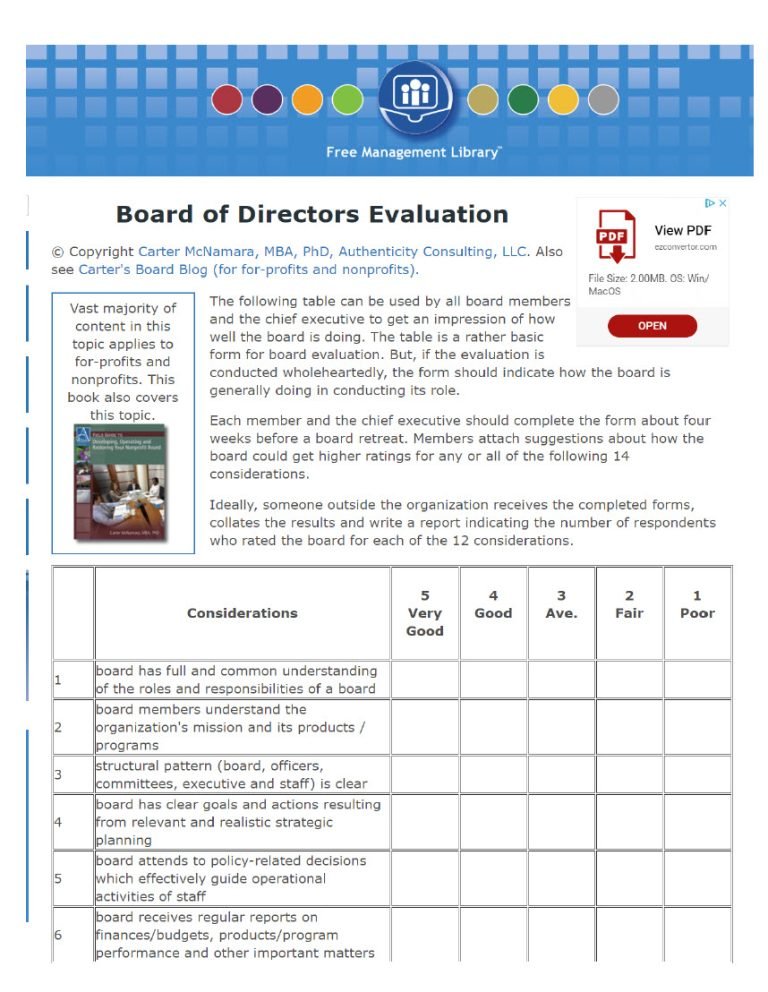
The following table can be used by all board members and the chief executive to gauge the board’s performance. The table is a rather basic
Techniques to improve the governance and management of associations, chambers, and nonprofit organizations.
Some have gained governance knowledge by educating themselves and serving on other boards. where they have successfully applied their specific expertise to their governance duties_
A lack of orientation can lead to confusion, frustration, and wasted opportunities. This is key to supporting the goal of “acting with one voice” as
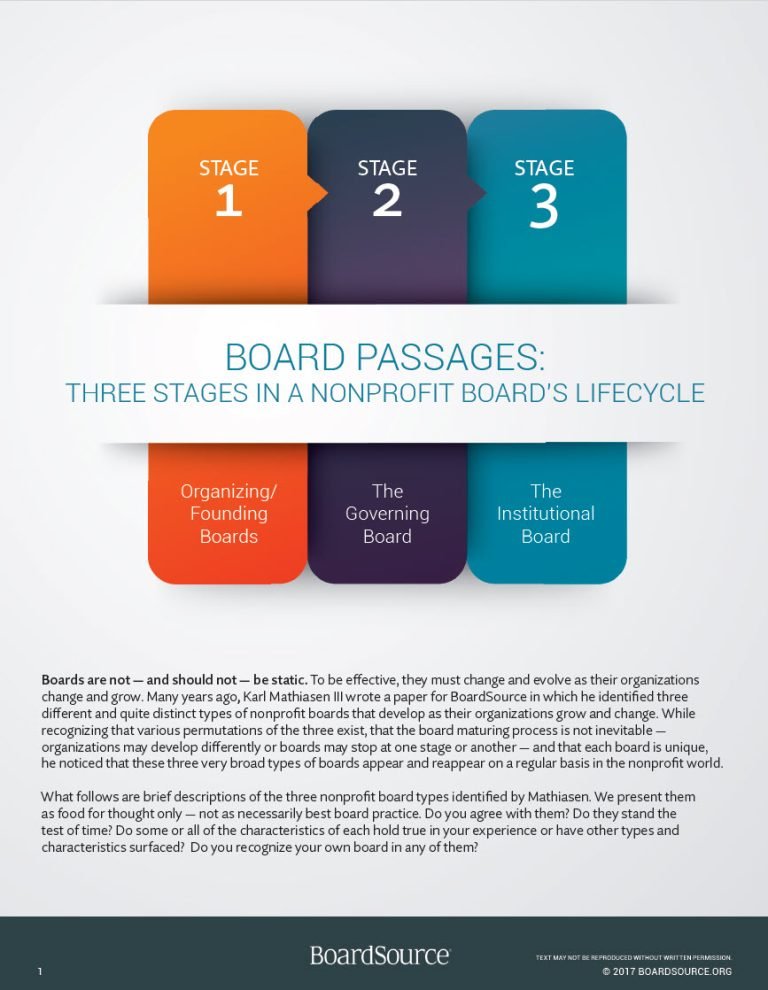
What follows are brief descriptions of the three nonprofit board types identified by Mathiasen. We present them as a point of consideration only — not
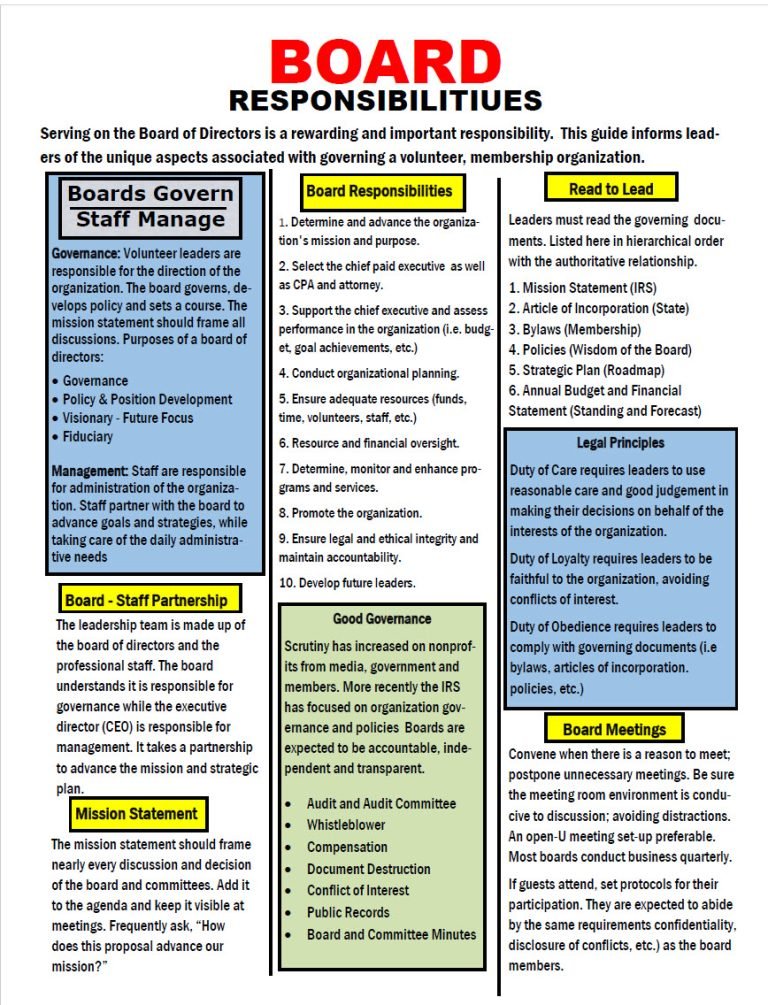
Serving on the Board of Directors is a rewarding and important responsibility. This guide informs leaders about the unique aspects of governing a volunteer membership
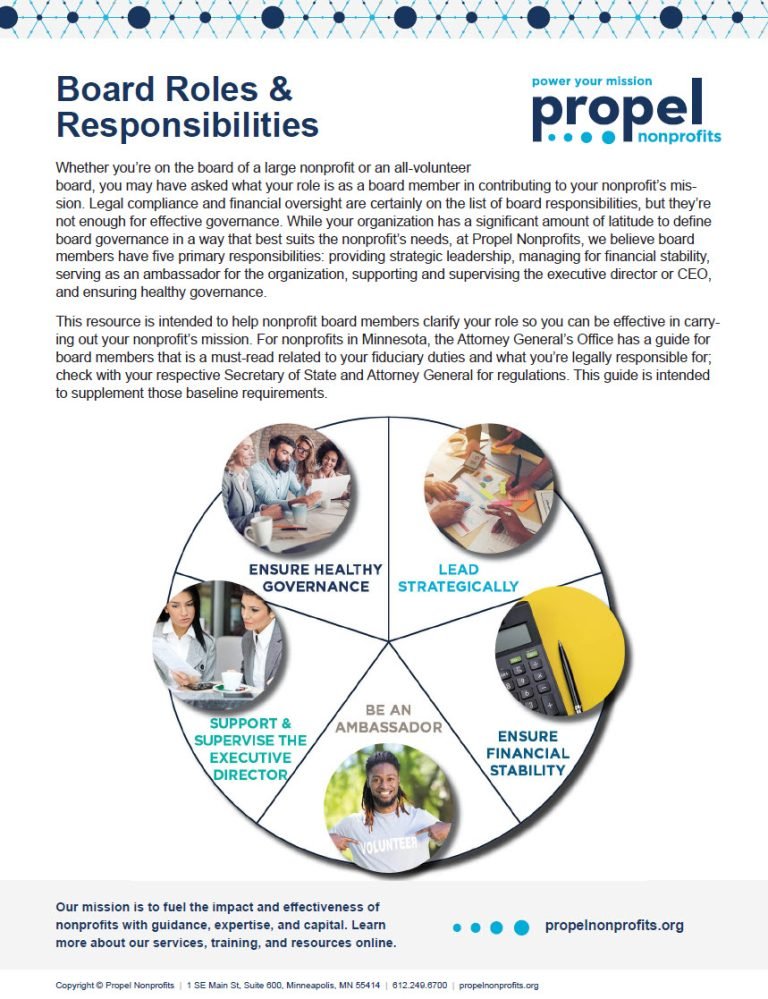
Whether you’re on the board of a large nonprofit or an all-volunteer board, you may have asked what your role is as a board member
Is there a sweet spot for your board’s size? Yes, there is likely to be, but the details differ for each board. One size does
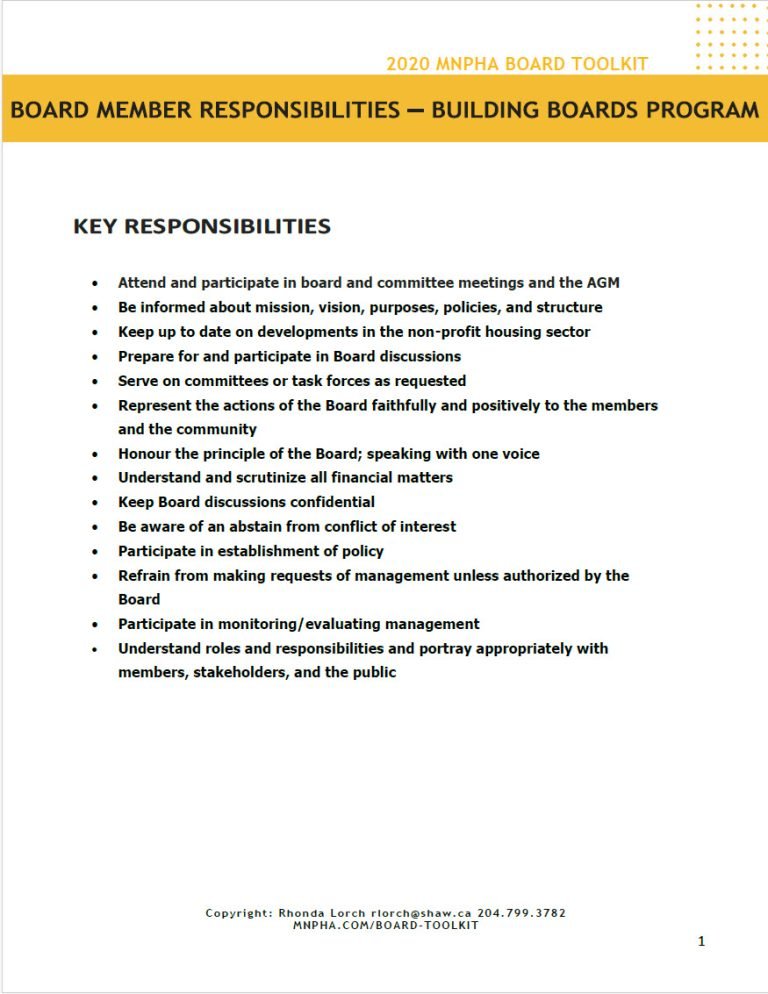
It is essential to clarify the roles and responsibilities of the board as a corporate entity, as well as the individual responsibilities of its members.
Two primary ways for selecting directors are appointments and elections. They can be used individually or in combination, depending on your bylaws.
Advocacy is a powerful way to leverage the important work that your organization does. Board members — as influential community leaders — can help increase
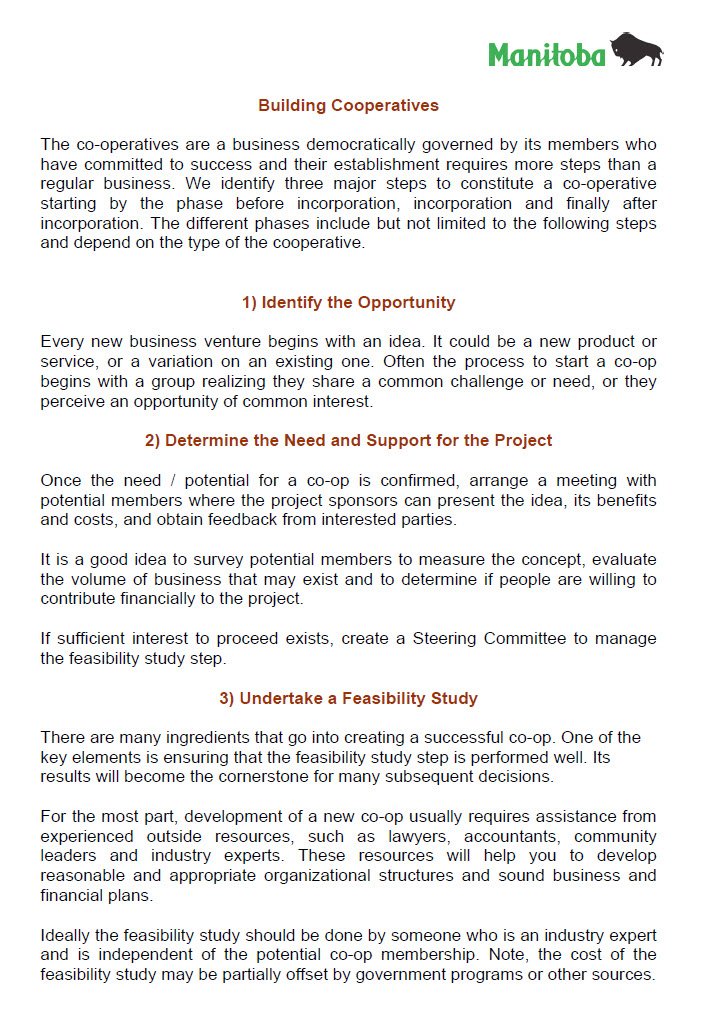
Co-operatives are businesses democratically governed by their members, who have committed to success, and their establishment requires more steps than a regular business.
When starting a nonprofit, founders must be careful that their excitement for the organization’s work does not overshadow careful attention to legal requirements.
After consulting with professionals to determine the right entity type for your worker cooperative, the next step is to work with them to develop your
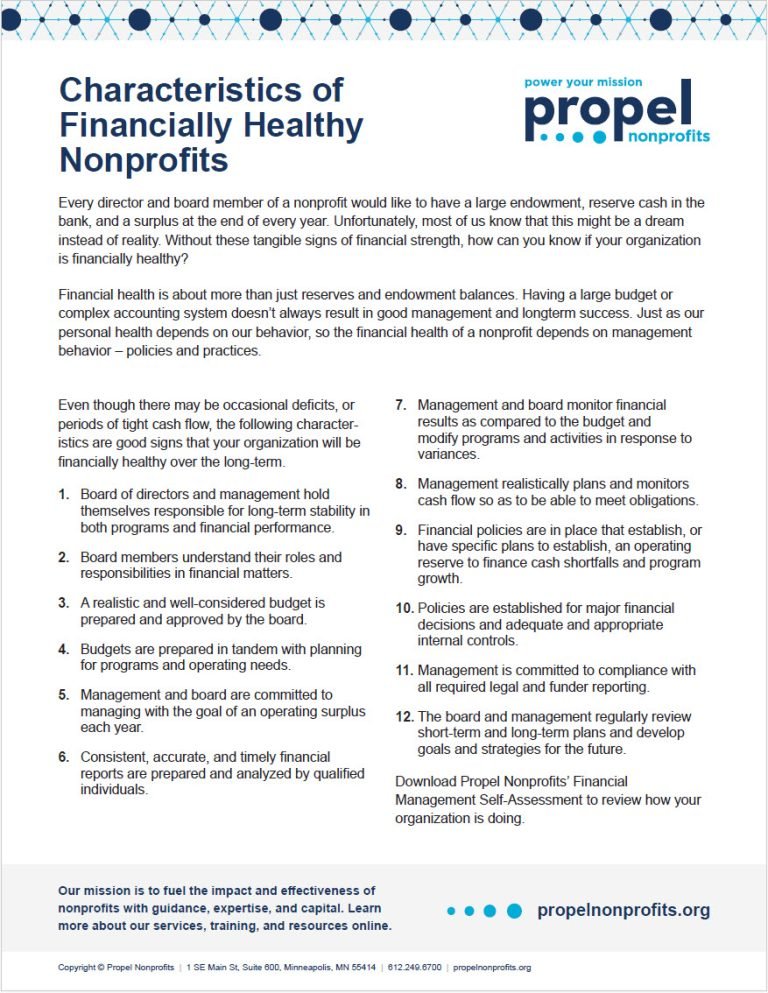
Unfortunately, most of us realize that this might be a dream rather than a reality. Without these tangible signs of financial strength, how can you
Directors know whether or not they are fulfilling their governance responsibilities. Given a board self-evaluation form, how would they select the appropriate boxes?